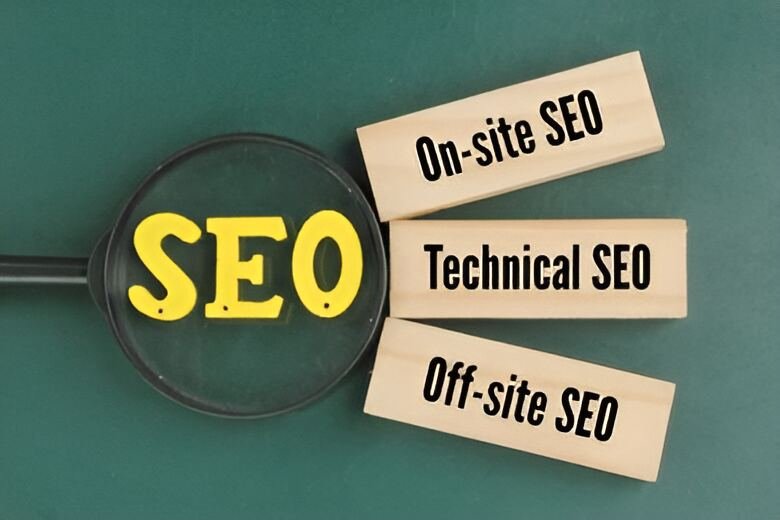
If you’ve ever searched something on Google and clicked one of the top results, you’ve interacted with SEO—probably without even realizing it. SEO, or Search Engine Optimization, is the strategic art and science of getting web pages to rank higher in search engines like Google. When done right, SEO brings your site more organic (read: free!) traffic, builds your brand authority, and drives long-term growth. Whether you’re a total newbie or a seasoned marketer, understanding SEO is crucial to succeeding online. So, let’s dive deep and break down everything you need to know about SEO, step by step.
Understanding the Basics of SEO
What Does SEO Stand For?
SEO stands for Search Engine Optimization. At its core, SEO is all about optimizing your website and content so that search engines like Google, Bing, and Yahoo can better understand, index, and rank it in their search results. It’s like putting your hand up in a crowded room to make sure Google sees you when someone asks a question you can answer.
Think of it like this—Google is a librarian, and the internet is its library. When someone asks a question (types a search query), the librarian wants to recommend the best book (web page). SEO helps your page be that book.
But SEO isn’t just one thing. It’s a mix of several strategies and techniques designed to make your site more visible and user-friendly. This includes using the right keywords, making sure your site loads quickly, writing helpful content, earning backlinks, and much more.
The goal? To attract users organically by appearing higher in search engine results pages (SERPs). The higher you rank, the more clicks, leads, and conversions you get—without spending a dime on ads.
Why is SEO Important for Online Success?
SEO is the backbone of digital marketing. No matter how amazing your website looks, if it doesn’t show up in search results, it might as well not exist.
Here’s why SEO is a game-changer:
-
More Visibility = More Traffic: Most people never scroll past the first page of Google. So if you’re not there, you’re missing out on a huge chunk of potential traffic.
-
Cost-Effective Marketing: Unlike paid ads, SEO brings in traffic organically. You might invest time or hire help, but you’re not paying per click.
-
Builds Trust and Credibility: Websites that appear on the first page are often perceived as more trustworthy. Google’s algorithm prioritizes quality and relevance—earning that spot means your site is valuable.
-
Better User Experience: Good SEO involves optimizing for usability, speed, and mobile friendliness, which also improves your visitors’ experience.
-
Long-Term Results: Unlike ads that stop once your budget ends, SEO keeps working. A well-ranked page can bring traffic for months or even years.
If you run a blog, business, e-commerce site, or even a portfolio, SEO is non-negotiable. It’s how people find you.
How Search Engines Work
To understand SEO, you need to understand how search engines operate behind the scenes. It’s a three-step process: Crawling, Indexing, and Ranking.
-
Crawling: Search engines use bots (also known as spiders or crawlers) to scan the web. These bots follow links from page to page, gathering data about each webpage they visit.
-
Indexing: After crawling, the information gets stored in the search engine’s database—aka the index. This index is like a massive library catalog. If your site isn’t in the index, it won’t show up in search results.
-
Ranking: When someone searches for something, the search engine sifts through its index and ranks the most relevant pages. It uses complex algorithms that consider hundreds of factors—like keywords, page speed, backlinks, mobile usability, and content quality—to decide which pages appear and in what order.
Search engines aim to serve users the most accurate, helpful, and relevant content. If you align your website with what search engines love, you’re more likely to show up on page one.
The Core Components of SEO
On-Page SEO Explained
On-page SEO refers to everything you do on your website to improve rankings. It’s like grooming your house before guests (search engines) come over. This includes content, HTML tags, images, internal links, and more.
Let’s break it down:
Title Tags, Meta Descriptions & Headers
-
Title Tags are what show up as clickable headlines in search results. They should be clear, keyword-optimized, and catchy enough to encourage clicks.
-
Meta Descriptions are the brief blurbs beneath your title in the SERP. While they don’t directly affect rankings, they influence click-through rates (CTR).
-
Header Tags (H1, H2, H3, etc.) organize your content and help search engines understand the structure of your page. Use them wisely to break up text and guide readers.
A good on-page SEO strategy ensures your content is easy to read—for both humans and bots.
Keyword Optimization and Content Quality
Keywords are the bridge between what people are searching for and your content. But stuffing keywords won’t cut it anymore. Google has gotten smarter.
Instead:
-
Use keywords naturally throughout your content
-
Include variations and related terms (semantic keywords)
-
Focus on providing real value and answering user questions
The best content is comprehensive, well-structured, and targeted. Search engines prioritize content that demonstrates experience, expertise, authority, and trustworthiness (E-E-A-T).